Fire damage help
Smoke and soot cleanup
Soot is oily and acidic. It needs the right method on each surface.
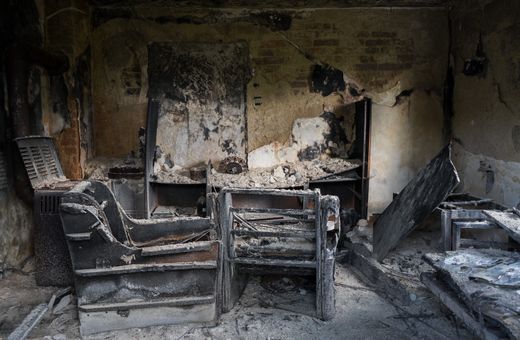
Smoke travels far beyond the room that burned. It leaves soot on walls, ceilings, inside cabinets and in the ductwork, and that residue keeps etching surfaces until it is removed.
What the restoration company does
- Dry-sponge and HEPA vacuuming before any wet cleaning
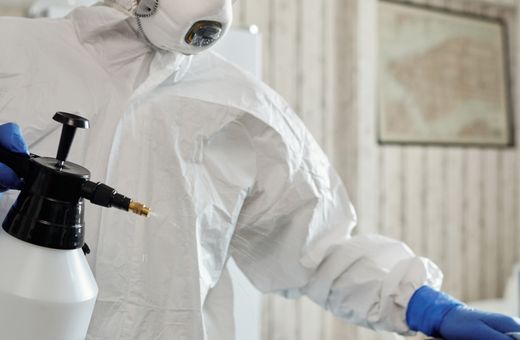
- Surface-by-surface cleaning: paint, wood, tile, glass, metal and fabric
- Cleaning inside cabinets, closets and drawers
- Duct and HVAC cleaning so soot isn't blown back through the house
- Sealing smoke-stained surfaces before repainting

Need help now?One call connects you with a local fire and smoke damage restoration company.
Call (000) 000-0000Questions
Why shouldn't I just wipe the soot off?
Wiping soot with a wet cloth usually smears it deeper into paint and grout. Restoration crews remove loose soot with dry chemical sponges and HEPA vacuums first, then clean with products matched to the surface.
Does smoke damage get worse over time?
Yes. Soot is acidic. Within days it can discolor plastics, grout and paint, and within weeks it can corrode metal and etch glass. Cleaning soon after the fire saves more.